A headshot is a small image with a big job. It has to communicate confidence without arrogance, friendliness without looking casual, and competence without feeling stiff. And because it carries so much weight, the editing choices you make matter more than most people realize.
That’s where the modern temptation kicks in. A quick beauty filter promises a “better” version of you in one tap. Smoother skin, brighter eyes, sharper jawline, whiter teeth, zero effort. But what you gain in speed, you often lose in credibility. Headshots are not meant to look “perfect.” They’re meant to look like you on your best day, in your best light.
If you’ve ever looked at a filtered headshot and felt something was slightly off, you’re not imagining it. Beauty filters don’t retouch. They transform. And in professional contexts, that difference is everything.
Table of Contents
The Real Job Of A Headshot Is Trust
Whether it’s LinkedIn, a company website, a speaking page, a casting profile, or a clinic directory, your headshot is doing trust-building work before you ever speak. People decide, in seconds, whether you look approachable, capable, and aligned with what they need.
A beauty filter can unintentionally sabotage that first impression. Over-smoothing removes natural skin texture, which can make a face look plastic. Auto-brightening can flatten the lighting and erase depth. AI reshaping can subtly alter facial structure, which creates an uncanny feeling even when viewers can’t explain why.
This is where professional editing services like those offered by Cutout Image Media, come into play. Human retouching respects the psychology of trust. A skilled retoucher understands that realism is the point. The goal is not to look like a different person. The goal is to look like yourself, professionally presented.
Beauty Filters Are Built For Virality, Not Professionalism
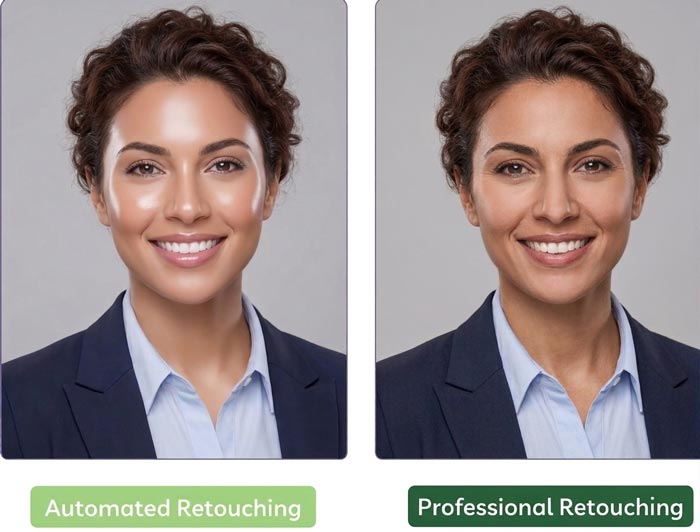
Most beauty filters were designed for social media, where the priorities are entertainment, trend-driven aesthetics, and fast results on small screens. They’re tuned for selfies, not studio files. They aim for a “look,” not accuracy.
That’s why filters tend to make the same types of changes repeatedly. They reduce texture, brighten everything, enlarge eyes, whiten teeth, warm skin tones, and slim facial features. The output might look “nice” at first glance, but it also looks generic, like a template applied to a real face.
Professional headshots should never feel like templates. They should feel personal, specific, and believable.
The Problem With One-Tap Editing Is That It Cannot Make Good Decisions
Retouching is not about pressing buttons. It’s about decisions. A human retoucher makes hundreds of micro-choices that filters cannot reliably make because filters don’t understand context.
For example, under-eye shadows might be fatigue, but they might also be the lighting pattern that gives your face shape. Smile lines might be deep in one frame because of expression, not age. A pimple might be temporary and worth removing, while a mole might be part of your identity and should stay. Stray hair might be distracting on a white background, but perfectly fine on an outdoor portrait.
A filter can’t have that conversation. It can’t ask what the image is for, who will view it, what industry you’re in, or how “polished” is appropriate. A human retoucher can, and that’s why the results feel intentional rather than automated.
What Human Retouching Actually Does
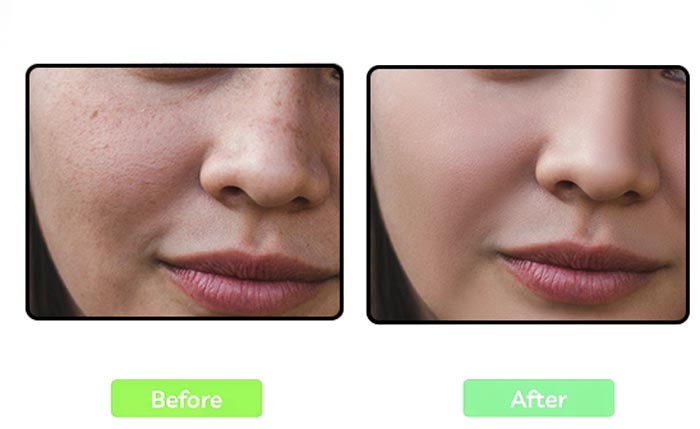
Good retouching is subtle. It keeps pores. It maintains natural contrast. It protects the structure of the face and the honesty of the expression. It also improves the technical side of the image so it holds up on high-resolution screens, print, and corporate brand guidelines.
Here’s what a professional retoucher typically focuses on in a headshot workflow:
- Skin Cleanup Without Plastic Texture, removing temporary blemishes while keeping pores and natural detail intact.
- Balanced Tone And Color, correcting uneven redness, under-eye tint, and mixed lighting without changing who you are.
- Hair And Flyaway Control, cleaning distractions while keeping the hairline and natural volume believable.
- Clothing And Background Refinements, smoothing wrinkles, removing lint, fixing dust spots, and keeping attention on the face.
- Natural Eye And Teeth Enhancements, improving brightness and clarity carefully, without that over-white “glow” effect.
Notice what is missing from the list: face reshaping, exaggerated smoothing, and changing features. Human retouching is about refinement, not reinvention.
Over-Filtered Headshots Can Hurt Your Personal Brand
A headshot isn’t just a photo, it’s part of your brand system. And brand systems depend on consistency. If your headshot looks like a heavily filtered version of you, the gap between online and in-person can create friction. That friction shows up as a subtle loss of trust.
In hiring and client-facing industries, that matters. Recruiters and clients may not consciously say, “This headshot looks filtered,” but they do pick up on authenticity cues. Real texture and real lighting feel grounded. Over-processed images feel like marketing, even when you’re just trying to look your best.
If you’re building a reputation as a consultant, founder, executive, agent, doctor, lawyer, coach, or creative professional, your visuals should communicate reliability. A filter can easily push your image into “too curated,” which can read as less credible.
The Uncanny Valley Effect Is Real In Headshots
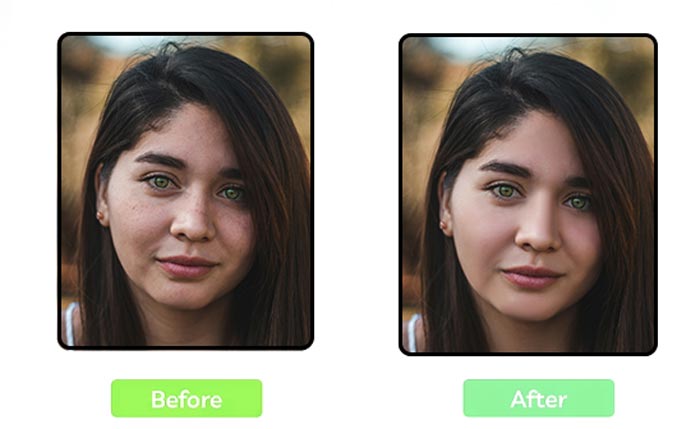
You don’t need to go extreme to trigger the uncanny valley. Slightly blurred skin, oddly uniform color, or a face that looks subtly “airbrushed” can be enough to make viewers hesitate.
This hesitation is the hidden cost of beauty filters. They often reduce the small imperfections that make a face human, and those imperfections are also what make a person recognizable. When the brain can’t match a real face to a real texture pattern, it senses something artificial.
A human retoucher avoids that by working with the original file, respecting the lighting, and making adjustments with restraint. The final image still looks like it was captured by a camera, not generated by an algorithm.
Headshot Retouching Should Match Your Industry
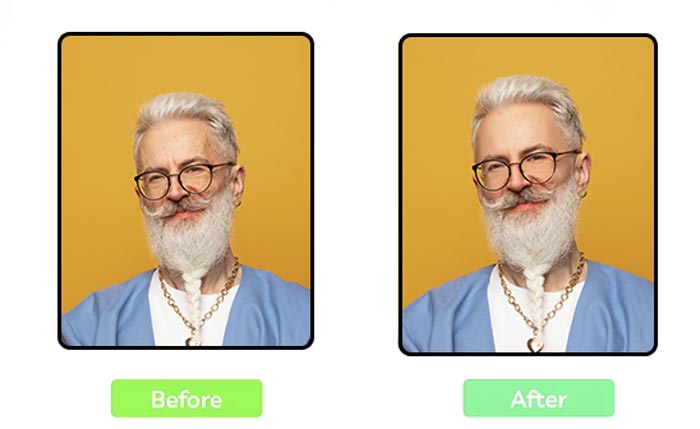
One of the biggest advantages of a human retoucher is that the result can be tailored to your professional context.
A corporate executive headshot usually needs clean background control, neutral color, accurate skin tone, and crisp detail. A creative professional might want a bit more mood and contrast, but still not plastic skin. A medical professional often benefits from natural warmth and clarity, but with conservative retouching that signals trust. Actors typically need accurate, minimal retouching that preserves character and avoids looking misleading.
A filter applies the same “beauty standard” to everyone. A human retoucher adapts the style to your role and the expectations of your audience.
Why “Natural” Retouching Takes Skill
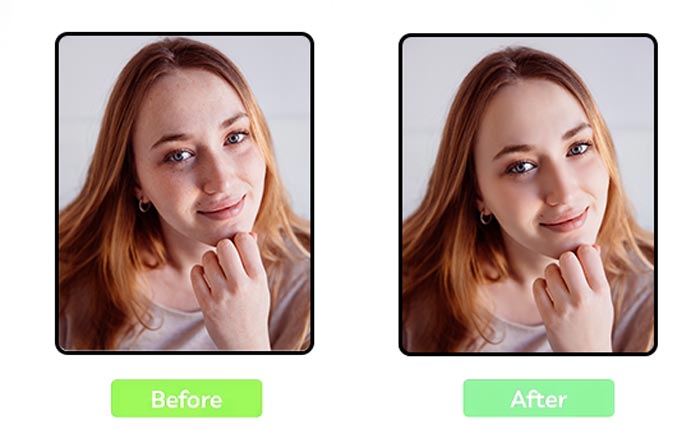
People sometimes assume subtle retouching is easy because it looks like “nothing happened.” In reality, that’s exactly why it’s hard. Anyone can over-smooth and call it editing. It takes a trained eye to improve a photo while keeping it honest.
Natural retouching often involves frequency separation or equivalent texture-preserving methods, careful dodge and burn to shape light without flattening the face, controlled color correction, and detailed cleanup at high zoom levels. It also involves restraint, which is a skill of its own.
When the retouching is done properly, you look refreshed, professional, and confident, but still fully yourself.
What To Ask For When Hiring A Headshot Retoucher
If you want results that feel real, it helps to be specific about what you want and what you do not want. When you brief a retoucher, focus on realism and purpose.
Ask for skin cleanup that keeps texture. Ask for color correction that stays true to your natural tone. Ask for gentle under-eye improvement instead of full removal. And if you have features you want to keep, like freckles or moles, say so. A professional retoucher will welcome that clarity because it leads to better, more personal results.
Where Cutout Image Media Fits Into This
At Cutout Image Media, we’ve spent more than 16 years doing the kind of editing that respects both the craft and the person in the photo. We are a professional Photo Editing, Video Post-Production, and CAD Drafting service company in Bangladesh, with more than 150 Photoshop professionals focused on consistent, high-quality results for clients worldwide.
That scale matters because headshots are rarely one image. Companies need consistent team headshots. Studios need volume work with a consistent look. Agencies need fast delivery without losing quality. We’ve grown rapidly since 2010 because we take that responsibility seriously, and because we treat retouching like a professional service, not a quick effect.
A filter can’t give you a retouching standard. A trained team can.
Your Headshot Should Look Like You
Beauty filters are tempting because they’re fast. But headshots are not the place to chase speed at the expense of realism. A headshot is about trust, and trust is built on authenticity.
A human retoucher helps you show up as yourself, polished and professional, without turning you into a generic version of “perfect.” And in a world where everyone is starting to look the same online, looking real is becoming a competitive advantage.
FAQs
What Is The Difference Between A Beauty Filter And Professional Retouching?
Beauty filters apply automated, one-size-fits-all changes like smoothing and reshaping. Professional retouching is manual, image-specific work that preserves texture, lighting realism, and your unique features while removing distractions.
Will Professional Retouching Make Me Look Fake Or Over Edited?
Not if it’s done correctly. A skilled retoucher keeps pores and natural facial structure, focusing on subtle cleanup and balanced tones so you look like yourself, just more polished.
How Much Retouching Is Appropriate For LinkedIn Or Corporate Headshots?
Usually light to moderate retouching is best. Remove temporary blemishes, reduce harsh shadows, fix flyaways and distractions, and keep skin texture intact to maintain trust and professionalism.
Can You Retouch A Headshot Without Changing My Face Shape?
Yes. Ethical, professional retouching avoids reshaping facial features. The focus stays on cleanup, tone correction, and improving the photo’s overall balance while preserving your identity.
Why Do Filters Often Make Skin Look Plastic?
Filters commonly blur skin to remove texture, then add artificial sharpening. This combination wipes out pores and natural detail, creating an unnatural, waxy look especially visible on high-resolution displays.
Do I Need Retouching If My Headshot Was Taken By A Professional Photographer?
Often, yes. Even great photography benefits from finishing work like color correction, background cleanup, lint and flyaway removal, and subtle skin cleanup to meet professional presentation standards.
How Fast Can Cutout Image Media Deliver Retouched Headshots?
Turnaround depends on quantity and complexity, but we’re built for speed and consistency. With 150+ Photoshop professionals, we handle single images and large team batches efficiently.
Can Cutout Image Media Match A Specific Retouching Style For My Brand?
Yes. We can follow your brand guidelines and reference images, keeping a consistent look across all headshots. We also ensure the retouching stays natural unless you request a stronger style.
Final Thought
If your headshot represents your career, your business, or your reputation, please don’t hand it over to a random beauty filter and hope for the best. We retouch headshots the professional way, with real humans, real judgment, and a natural finish that still looks like you. If you want a headshot you can confidently use anywhere, send it to us at Cutout Image Media and we’ll take it from there.