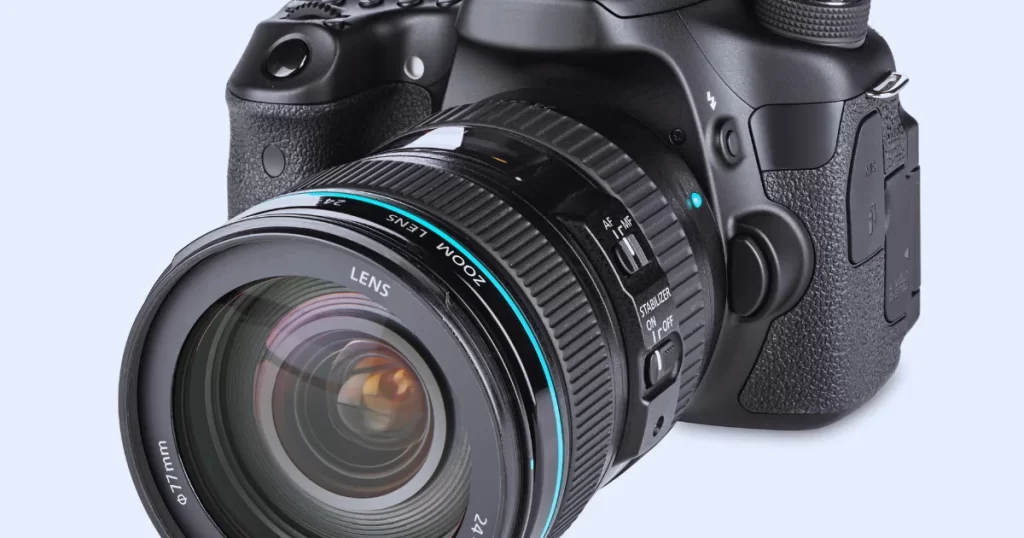
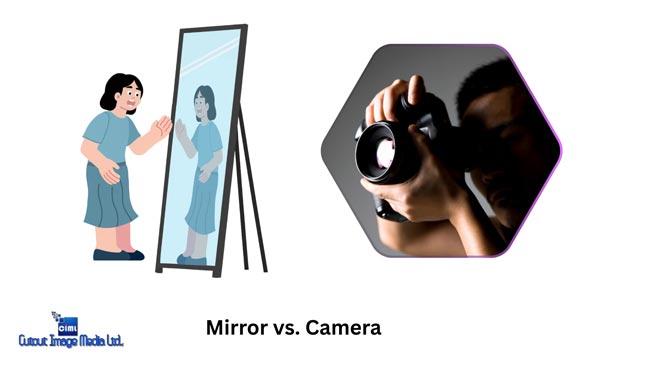
Have you ever looked in the mirror, felt pretty good, and then snapped a selfie and just thought, Who is that? It’s that universal kind of jarring moment, right? The person in the photo just doesn’t quite match the face you see every single day. So what’s the deal? Is a mirror or camera more accurate? Which one is the real you?
So today we’re going to solve this mystery. First, we’ll put the mirror vs. the camera in a head-to-head showdown. Then we’ll get into the science of flipped versus true images. After that, we’re diving into the psychology of why your brain actually has a favorite and how both can sometimes fool you, and we’ll wrap it all up by figuring out which tool you should use and when.
All right, let’s kick things off with section one: the camera vs. the mirror. This is that face-off you have with yourself pretty much every single day, playing out on your phone screen and in your bathroom mirror. I mean, this is the core of the debate about mirror cameras, isn’t it? You feel totally comfortable with your reflection, but then a photo can feel, well, just plain off. Sometimes it even feels unflattering. If you’ve ever felt that way, trust me, you are definitely not alone.
So you’ve basically got two versions of you. On one side, there’s the mirror you; that’s your go-to. But on the other, you’ve got the photo of you. And that leads everyone to ask: is a mirror or a camera more accurate? Because that photo version, well, that’s how everyone else in the world actually sees you.
Table of Contents
Key Takeaways
- Mirrors show a flipped version. Others see your non-reversed face. Cameras capture your true orientation.
- Mirrors offer real-time depth. Our brains prefer familiar reflections. Cameras provide flat representations.
- Neither tool is perfect. Use mirrors for daily grooming. Cameras show your objective self.
How Mirrors Work
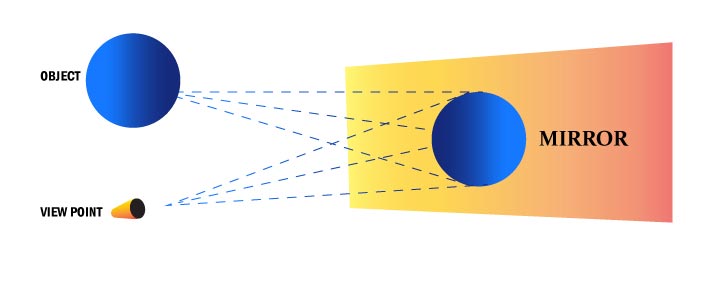
Mirrors use direct reflection mirror technology. A mirror reflection bounces light off a metallic coating. This process creates a mirror image. Many ask if a mirror image is real or virtual.
The glass produces a virtual image. You see a reversed reflection of your face. People call this lateral inversion. Your mirror-reversed face flips front to back. The flipped image mirror appears at a natural distance. Mirror light reflection maintains high 3D depth.
How Do Cameras Capture Images?
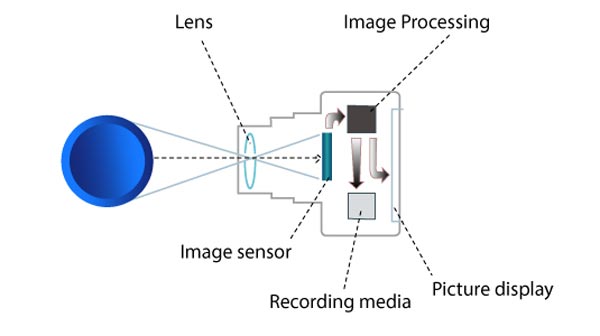
Cameras show how others see you. Light passes through a lens. The camera sensor records photons as electrical signals. Different focal lengths change the image look. Wide-angle lenses capture broad scenes. Telephoto lenses zoom into distant subjects.
The aperture controls light entry. High resolution provides sharp details. White balance adjusts the color temperature. Lens aberrations sometimes blur the edges. Digital post-processing photo steps refine the final file.
Accuracy: Mirror vs Camera
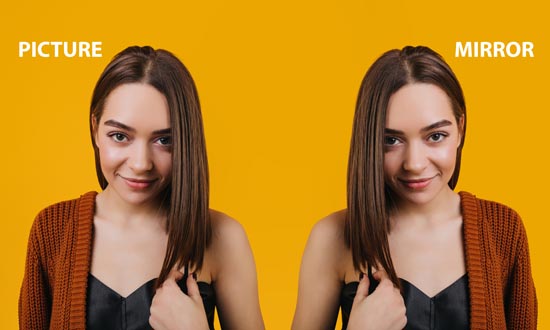
Users wonder which is more accurate, a mirror or a camera. A mirror reflection accuracy is high for real-time motion. There is no mirror distortion for the human eye. Is a mirror accurate for depth? Yes. Is a mirror or phone camera more accurate for self-view?
The mirror matches your binocular vision. However, the technical accuracy camera shows your true orientation. A camera’s more realistic view captures what others perceive. Which is more accurate, a mirror or phone camera, depends on your goals.
The Mirror Effect
The mere exposure effect influences your brain. You have a strong mirror familiarity. This familiarity bias makes you prefer your reflection. Mirror psychology explains this self-perception mirror habit. Your brain adaptation mirror creates a preference mirror image.
You feel more confidence in mirror views. Most people look better in mirror reflections. This self-view mirror comes from a daily mirror habit. Your brain considers the flipped version correct. The familiar look of the mirror image feels safe.
The Camera Perspective
Cameras introduce perspective distortion. A phone camera distortion changes facial proportions. Wide-angle lens distortion makes noses look larger. This selfie distortion happens at close range. The front camera vs. the back camera provides different results.
A 2D camera capture produces a flat image. You lose the 2D vs. 3D view depth. The camera’s third-person view captures your true side. Others’ perception of camera views often feels strange. Your angle in photos matters for the final look.
Factors Affecting Image Accuracy
Lighting differences change your appearance. Natural light mirror views show your real skin tones. A harsh lighting photo creates dark shadows and photo artifacts. Color accuracy camera software uses white balance photo guesses.
This technique often alters the color temperature. Lens distortion changes your face shape. Optical distortion camera effects warp your features. Mirrors avoid this viewable focal length lens. Live motion helps the brain average your look.
Distortion in Mirrors
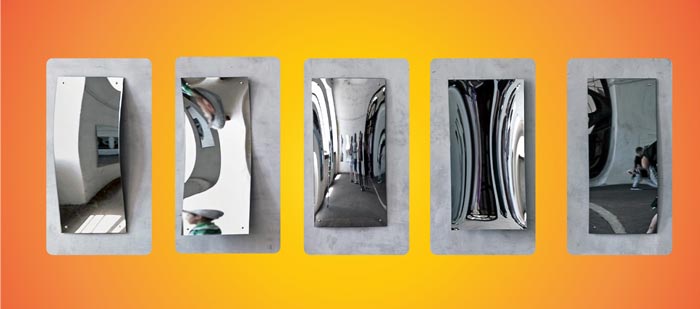
A good quality mirror provides high flat mirror accuracy. Thin glass causes cheap mirror distortion. Some retail shops use the store mirror trick.
A skinny mirror illusion makes you look thinner. Curved mirror distortion bends the light rays. Convex mirrors push the image outward. Concave mirrors magnify specific areas. Standard soda-lime glass adds a green tint. This hue affects your skin’s reflection mirror color.
Camera Lenses and Perspective
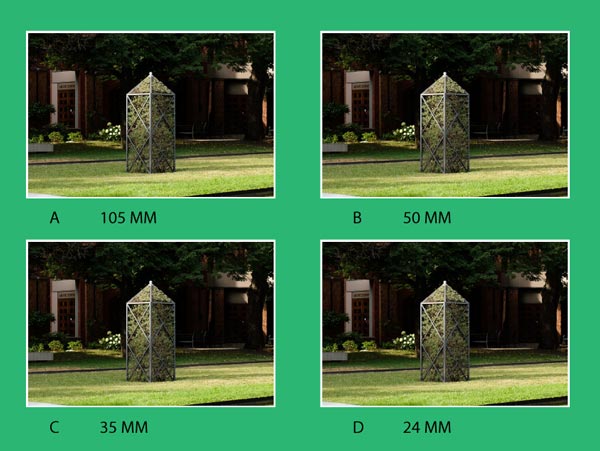
Wide-angle lenses create significant perspective distortion. The selfie camera lens sits too close to your face. This technique creates a distorted image. Your nose looks bigger selfie-style. The face warp camera effect shrinks your ears.
Geometric distortion flattens your facial depth. A 50mm lens true view matches human sight better. An accurate portrait lens shot provides the best proportions. Long focal lengths bring features into balance.
Photography and Camera-Related Terms
Smartphone cameras often warp facial features. Close selfies create a bulbous effect. The distortion of the camera lens makes noses look larger. Front-facing camera lenses have wide angles. A long selfie stick improves your proportions.
Digital cameras offer better depth of field control. Use a high-resolution camera for clear details. RAW format preserves the most image data. Photo editing can fix optical reflection camera errors. Professional lighting setup choices change your self-portrait quality.
Psychological and Social Concepts
Social psychology explains our self-image bias. The brain prefers familiar facial images. Cognitive psychology studies the mere-exposure effect. Passive exposure makes your reflection feel correct. Neuroscience reveals how we process symmetry.
Some people seek cosmetic surgery due to photo shock. Mirror meditation helps improve self-acceptance. Optical illusions affect your expression perception. Appearance-related psychosocial distress impacts your confidence. Psychological research proves we judge photos harshly.
Lighting and Environmental Factors
Lighting conditions change your skin texture. Hard light highlights everything; soft light creates a smooth appearance. You must find the right angle for shadows. Poor light makes skin look grey. Ring lights fill in dark hollows.
High-CRI bulbs show true colors. Proper placement defines your facial structure. Mirrors reflect ambient room light. Environments alter your perceived beauty.
Comparing Accuracy in Different Scenarios
The rear camera accuracy outperforms the selfie lens. Use the back camera better for true proportions. The front camera mirror mode flips your face back. Facial features flip inside a mirror.
Your mole’s position in the mirror is reversed. Asymmetries visible in photos show what others see. A photo from seven feet away stays proportionally accurate. This distance removes the fisheye effect. You see your true orientation.
Face and Body Proportions
A body proportions mirror view preserves your height. Facial proportions look natural in 3D. A camera highlights your facial asymmetry. This facial asymmetry feels strange to the viewer.
Your brain prefers the familiar flipped version. Mirrored views feel more comfortable. Photos reveal the true placement of your features. Accuracy depends on the viewing distance.
Colors and Details
White balance photo settings can fail. Cameras often miss the perfect color temperature. A mirror preserves the warmth of the skin’s reflection. Digital sharpening exaggerates skin texture.
This makes people look older. Noise reduction algorithms create a plastic look. Mirrors show every detail in real time. You see your true colors in ambient light.
Depth and Dimension
A mirror’s 3D reflection utilizes binocular vision mirror depth. Humans have a natural depth perception. We see the world in a 2D vs. 3D view contrast. A monocular camera collapses all depth.
The parallax effect helps you see contours. A depth in the mirror shows your true shape. Flat photos can create dark eye bags. Shadows look different on a 2D plane.
Practical Uses
A grooming mirror provides real-time feedback. Use it for styling hair. People take a mirror selfie to check outfits. The selfie camera helps with digital prep. Official passport photos require a non-reversed view.
A raw, photo-accurate setting captures unedited details. The unedited photo shows how others see you. Mirrors offer essential 3D depth for grooming. Cameras record your appearance for final digital formats.
Choosing Between Mirror and Camera
Users ask about their true appearance in a mirror or camera. Most want to see how you really look. You find your true self mirror reflection familiar. Some prefer the real you in photos taken from a distance.
What is the most accurate way to see yourself? Experts say neither is accurate by itself. Both distorted views offer different truths. You cannot find the ultimate accurate view easily. Mirrors preserve color. Cameras capture non-reversed proportions.
Common Misconceptions
Many people wonder why they look different in pictures. You might look worse in photos due to lenses. Why photos look bad involves perspective distortion. Seeing a non-mirrored image causes photo shock and unfamiliar feelings.
The mirror myth of the perfect view ignores lateral inversion. The camera myth distortion explains warped facial features. A true-to-life photo requires a specific focal length. Neither tool provides an objective perfect truth.
Final Thought
And that leaves us with one final, much bigger question to think about. In the end, what’s more important? Is it the comfortable, familiar self you see in the mirror, or the true representation you present in photo-accurate photos?
It’s a question about how others see me, about identity, and about what a real-life view even means anyway. If you want to make your picture more appealing, you can always seek help from expert editing from Cutout Image Media!